a La Garriga esta plovent a bots i barrals. El mini huracà sembla que el tenim a sobra. Tota la tarda esta caient una cortina d'aigua impressionant. La puta mare que els va parir aquesta colla del temps. I a sobra cobren un paston.
Como el miedo es utilizado como arma para controlar a la población youtube.com/watch?v=PDZzwb0ag_… Tanto el movimiento #15M como la actual acampada en las ciudades esta llena de gente aterrorizada de miedo. Lo de las acampadas se podria aplicar el dicho de :perro ladrador, poco mordedor. #MarcaEspaña.
Disfruta de los vídeos y la música que te gustan, sube material original y comparte el contenido con tus amigos, tu familia y el resto del mundo en YouTube.
Tinc 64 anys. He viscut la Transició, l’autonomisme, el pujolisme, el procés i el seu desinflament. Des d’aquesta experiència i d’aquestes lectures, he arribat a una conclusió que exposo amb tota la contundència: Com deia en Xirinacs, Catalunya no serà mai independent.
No crec que els catalans siguem una raça superior. Aquesta idea és un error. La llibertat no és una cosa que s’aconsegueix amb manifestacions sense llançar un paper a terra. La llibertat no s’aconsegueix sense tenir un full de ruta clar i, sobretot, sense que la majoria del seu poble ho vulgui.
El 1714 ens van derrotar. I tant que ens van derrotar. Va ser una derrota tan contundent que mai més ens vam aixecar per revertir aquella situació. Amb el pas dels anys i els segles, Castella ha anat fent la seva feina, i molt ben feta. Hi ha hagut onades de gent de fora que l’únic que han fet és diluir l’esperit de poble. Qui no ha escoltat gent que va venir d’Andalusia, mig morta de gana, dient que la seva terra és el millor que hi ha i que els catalans som una merda? Qui no ha sentit dir que, si no fos per la seva mà d’obra, Catalunya no seria el que és? Sí, i tant que sí. Ells van deixar la seva família, les seves llars, i amb una trista maleta van venir a Catalunya per salvar-la.
Què han fet els salvapatries que es diuen independentistes mentre han tingut el poder d’influència? Res, res de res. Tenim la llengua, no a la UVI, la tenim a terminals. Les costums catalanes, com les nadalenques, s’estan diluint en les modes anglosaxones. I, sobretot, tenim una joventut adormida a qui importen més els links de les xarxes socials que el seu futur o la seva terra.
I sí, una cosa és certa: encara conservem el sentit del negociador, uns empresaris que per fer quatre quartos ha venut la seva ànima al diable i ha fet pagar al poble un preu molt alt.
La Transició i la legalització dels partits catalanistes. Algú es pensa que Suárez, quan va legalitzar els partits catalanistes, no els va posar unes línies vermelles que mai podrien trepitjar? ERC com a garant dels grups de partits independentistes. Mai va ser un partit independentista. Federalista? Potser sí. Independentista, mai. La Convergència d’en Pujol. El mateix Pujol va dir-ho: ell no era independentista. Com deia en Xirinacs: no hi ha res a fer.
I encara hi ha una altra cosa que ho acaba d’explicar tot: què han fet els partits independentistes amb els diners que havien d’anar destinats a millorar la qualitat de vida dels catalans que tant diuen defensar? Els han esqueixat. Els diferents nivells de corrupció i d’amiguisme han estat una constant. S’ha endollat gent sense cap mena d’experiència en càrrecs que se’ls van col·locar a dit, no per mèrits, sinó per fidelitat. I tot plegat no ha fet res més que engreixar una maquinària burocràtica sense sentit, amb estructures duplicades, càrrecs innecessaris i despesa corrent desbocada. I mentre tot això passava, els sous que es pagaven a si mateixos i als seus afins no han parat de créixer. Aquesta és la realitat: els diners que havien de servir per millorar la vida de la gent han acabat alimentant la mateixa maquinària que diu defensar-la. I així no es va enlloc.
Aquest és el meu pensament. No és gratuït. Ve de viure tota la Transició amb 64 anys i una visió molt més àmplia de tot plegat. Castella ha guanyat la partida. Catalunya no serà mai independent.
Toward the end of the 5th century, when the Western Roman Empire collapsed, Europe lost the one thing that had held centuries of order together: a central power capable of guaranteeing security. Roads became dangerous, professional armies vanished, and invasions —Norsemen, Magyars, Saracens— turned into a constant threat. Into that void, people did what people always do when they're afraid: they looked for someone strong to cling to.
That "someone strong" was the lord with a castle and a handful of armed men. The deal was simple and, seen from today, brutal: the peasant handed over part of his harvest, his time, and his freedom, and in exchange received protection and the right to work a plot of land that would never be his. The lord, in turn, swore loyalty to a greater lord, and that lord to a king, forming a pyramid of allegiances held together not by written law but by the shared fear of ending up without land or without swords. That is how feudalism was born: not as a plan designed by anyone, but as the most practical solution to a very real insecurity, which over time hardened into custom, and custom into law.
For centuries the system seemed eternal. Everyone had a place in it —however harsh that place might be— and land, the scarce resource that decided everything, stayed concentrated in the hands of a few.
II. The Cracks
No system, though, survives the changes it sets in motion itself. Cities began growing again around trade, and in their markets a figure appeared that feudalism had no place for: the merchant, who depended not on a lord but on a network of trade routes and customers. Money began circulating again where only land had counted before.
Then came the blow no one expected: the Black Death, in the mid-14th century, wiped out nearly a third of Europe's population. Suddenly hands to work the land were scarce, and for the first time peasants had real bargaining power. Many demanded wages, abandoned their land, or moved to towns where serfdom couldn't follow them. Lords, used to command, found themselves without the labor that had once obeyed them out of habit.
On top of that came gunpowder, which made the castle —feudalism's very symbol of power— no longer impregnable, and the rise of increasingly centralized monarchies, which kept stripping local lords of their ability to dispense justice, collect taxes, and maintain their own armies. Power that had been scattered across a thousand fiefdoms gradually consolidated into crowns, and later into states.
The final blow came from a new kind of economy: rising capitalism, which needed not vassals bound to the land but free laborers to hire and fire, and merchants who needed mobile labor, not tied to any lord. The fences that privatized common land in England —the famous enclosures— pushed thousands of peasants off the fields and turned them, out of sheer necessity, into the first wage workers. Feudalism didn't die in a single battle or on a single day: it hollowed itself out over centuries until, one day, no one was left willing to swear loyalty in exchange for land, because there were other ways to survive.
III. A New Fiefdom, Without Land or Castles
Seven hundred years after that medieval crisis, another void has once again opened the door to new lords. This time it wasn't the fall of an empire, but the explosion of the internet and, above all, the 2008 financial crisis: millions of people found themselves without stable jobs, without credit, and without trust in the institutions meant to protect them. Just like the peasants of the 6th century, they needed someone —or something— to cling to in order to keep making a living.
Digital platforms filled that void. No sword-sworn oath was required, just clicking "I agree" on a terms-of-service page. Amazon, Google, Meta, Uber, Apple became the new lords of a territory measured not in acres but in data, algorithms, and cloud infrastructure. Small merchants who depend on the marketplace, delivery drivers whose schedule lives inside an app, creators who survive on whatever the algorithm decides to show — all of them pay, like the peasants before them, a kind of "tax": a commission, their attention, their personal data, in exchange for the right to work inside a fiefdom that isn't theirs. This is what the thinker Yanis Varoufakis has called "technofeudalism": the profit of the open market, he argues, has been replaced by rent collected simply for controlling access to a digital territory.
And just like the peasants of classic feudalism, more and more people today own nothing: they rent instead of buying a home, subscribe instead of owning what they use, lease cars instead of buying them. Property, the very axis that once decided who ruled and who obeyed in the Middle Ages, is once again concentrating in the hands of those who own the assets, while everyone else pays to use them.
IV. How It Might End
If the history of the first feudalism teaches anything, it's that these systems don't collapse overnight or by decree — they fall apart when several cracks open at once and can no longer be patched.
One of those cracks is already showing up in regulation: much like the monarchies that gradually stripped power from local lords, today the European Union and other states are starting to rein in the power of the big platforms with antitrust and data-protection laws, though so far with mixed results. Another crack could come from technology itself: if gunpowder made castles obsolete, more open and decentralized technologies —protocols no one controls exclusively— could someday make today's digital giants less indispensable, even though attempts in that direction haven't managed to displace them yet. But perhaps the deepest crack is a contradiction the system carries within itself: if artificial intelligence and automation end up replacing most human labor, the new lords will lose their own economic base, because peasants with no jobs and no income can't keep paying the "tax" —subscriptions, commissions, spending— that the digital fiefdoms live on. It's a kind of inverted Black Death: back then, the shortage of hands gave the surviving peasants bargaining power; here, a surplus of hands —made redundant by machines— threatens to leave the lords with no one left to collect from. That tension doesn't resolve itself: either the wealth generated by machines gets redistributed somehow (new forms of basic income, or taxes on automation), or the system eventually slams into its own limit, the same way feudalism ran into an economy that no longer needed it.
In fact, some clues about how this contradiction might be managed are already visible today. Elon Musk, who in this story plays something close to the archetypal feudal lord —controlling critical infrastructure spanning social networks, rockets, artificial intelligence, and self-driving cars— has openly spoken about universal basic income as a necessary piece of the future he himself is helping to build. This isn't disinterested philanthropy: it's more like "choking without strangling." If automation leaves most people without jobs, they need to be given just enough to survive and keep spending —and therefore keep paying rent to the digital fiefdoms— but not so much that they stop needing them. That's exactly what any lord needs to keep a fiefdom running: a vassal who is alive and dependent, not a vassal who starves and not a vassal who's free. Seen this way, basic income wouldn't be the end of technofeudalism — it might be the way technofeudalism extends its own life.
But there's a factor history shows cuts both ways at once, favoring the lords and working against them: time. The great medieval fiefdoms depended on bloodlines, and many collapsed not through revolt but because the heir of a capable lord simply lacked his father's ability. It's worth asking today what will happen the day Elon Musk —or any other founder who concentrates that much power in a single vision and a single will— is gone. Not every empire crumbles with its founder: Disney died in 1966, and the company, far from weakening, grew even larger in the decades that followed, because it had built institutions and a corporate culture able to outlive him. But other empires, medieval and modern alike, haven't been so lucky, and have come apart in the hands of heirs who didn't know how —or didn't want— to carry what they'd inherited. This isn't the only way this new feudalism might end, but it's a reminder that no system, however solid it looks while a single person props it up, is truly eternal.
Nor can it be ruled out that, just as the rise of capitalism hollowed out the meaning of feudalism, some economic shift not yet fully visible —perhaps tied to artificial intelligence, which threatens to flip who needs whom— will end up making today's dependence on the great digital fiefdoms obsolete.
If history suggests anything, it's that these systems don't end because someone declares them dead, but because, little by little, they stop being the only way to survive. Whether that takes decades or generations, the way the old feudalism took its time fading away, is the open question history leaves us with.
Toward the end of the 5th century, when the Western Roman Empire collapsed, Europe lost the one thing that had held centuries of order together: a central power capable of guaranteeing security. Roads became dangerous, professional armies vanished, and invasions —Norsemen, Magyars, Saracens— turned into a constant threat. Into that void, people did what people always do when they're afraid: they looked for someone strong to cling to.
That "someone strong" was the lord with a castle and a handful of armed men. The deal was simple and, seen from today, brutal: the peasant handed over part of his harvest, his time, and his freedom, and in exchange received protection and the right to work a plot of land that would never be his. The lord, in turn, swore loyalty to a greater lord, and that lord to a king, forming a pyramid of allegiances held together not by written law but by the shared fear of ending up without land or without swords. That is how feudalism was born: not as a plan designed by anyone, but as the most practical solution to a very real insecurity, which over time hardened into custom, and custom into law.
For centuries the system seemed eternal. Everyone had a place in it —however harsh that place might be— and land, the scarce resource that decided everything, stayed concentrated in the hands of a few.
II. The Cracks
No system, though, survives the changes it sets in motion itself. Cities began growing again around trade, and in their markets a figure appeared that feudalism had no place for: the merchant, who depended not on a lord but on a network of trade routes and customers. Money began circulating again where only land had counted before.
Then came the blow no one expected: the Black Death, in the mid-14th century, wiped out nearly a third of Europe's population. Suddenly hands to work the land were scarce, and for the first time peasants had real bargaining power. Many demanded wages, abandoned their land, or moved to towns where serfdom couldn't follow them. Lords, used to command, found themselves without the labor that had once obeyed them out of habit.
On top of that came gunpowder, which made the castle —feudalism's very symbol of power— no longer impregnable, and the rise of increasingly centralized monarchies, which kept stripping local lords of their ability to dispense justice, collect taxes, and maintain their own armies. Power that had been scattered across a thousand fiefdoms gradually consolidated into crowns, and later into states.
The final blow came from a new kind of economy: rising capitalism, which needed not vassals bound to the land but free laborers to hire and fire, and merchants who needed mobile labor, not tied to any lord. The fences that privatized common land in England —the famous enclosures— pushed thousands of peasants off the fields and turned them, out of sheer necessity, into the first wage workers. Feudalism didn't die in a single battle or on a single day: it hollowed itself out over centuries until, one day, no one was left willing to swear loyalty in exchange for land, because there were other ways to survive.
III. A New Fiefdom, Without Land or Castles
Seven hundred years after that medieval crisis, another void has once again opened the door to new lords. This time it wasn't the fall of an empire, but the explosion of the internet and, above all, the 2008 financial crisis: millions of people found themselves without stable jobs, without credit, and without trust in the institutions meant to protect them. Just like the peasants of the 6th century, they needed someone —or something— to cling to in order to keep making a living.
Digital platforms filled that void. No sword-sworn oath was required, just clicking "I agree" on a terms-of-service page. Amazon, Google, Meta, Uber, Apple became the new lords of a territory measured not in acres but in data, algorithms, and cloud infrastructure. Small merchants who depend on the marketplace, delivery drivers whose schedule lives inside an app, creators who survive on whatever the algorithm decides to show — all of them pay, like the peasants before them, a kind of "tax": a commission, their attention, their personal data, in exchange for the right to work inside a fiefdom that isn't theirs. This is what the thinker Yanis Varoufakis has called "technofeudalism": the profit of the open market, he argues, has been replaced by rent collected simply for controlling access to a digital territory.
And just like the peasants of classic feudalism, more and more people today own nothing: they rent instead of buying a home, subscribe instead of owning what they use, lease cars instead of buying them. Property, the very axis that once decided who ruled and who obeyed in the Middle Ages, is once again concentrating in the hands of those who own the assets, while everyone else pays to use them.
IV. How It Might End
If the history of the first feudalism teaches anything, it's that these systems don't collapse overnight or by decree — they fall apart when several cracks open at once and can no longer be patched.
One of those cracks is already showing up in regulation: much like the monarchies that gradually stripped power from local lords, today the European Union and other states are starting to rein in the power of the big platforms with antitrust and data-protection laws, though so far with mixed results. Another crack could come from technology itself: if gunpowder made castles obsolete, more open and decentralized technologies —protocols no one controls exclusively— could someday make today's digital giants less indispensable, even though attempts in that direction haven't managed to displace them yet. But perhaps the deepest crack is a contradiction the system carries within itself: if artificial intelligence and automation end up replacing most human labor, the new lords will lose their own economic base, because peasants with no jobs and no income can't keep paying the "tax" —subscriptions, commissions, spending— that the digital fiefdoms live on. It's a kind of inverted Black Death: back then, the shortage of hands gave the surviving peasants bargaining power; here, a surplus of hands —made redundant by machines— threatens to leave the lords with no one left to collect from. That tension doesn't resolve itself: either the wealth generated by machines gets redistributed somehow (new forms of basic income, or taxes on automation), or the system eventually slams into its own limit, the same way feudalism ran into an economy that no longer needed it.
In fact, some clues about how this contradiction might be managed are already visible today. Elon Musk, who in this story plays something close to the archetypal feudal lord —controlling critical infrastructure spanning social networks, rockets, artificial intelligence, and self-driving cars— has openly spoken about universal basic income as a necessary piece of the future he himself is helping to build. This isn't disinterested philanthropy: it's more like "choking without strangling." If automation leaves most people without jobs, they need to be given just enough to survive and keep spending —and therefore keep paying rent to the digital fiefdoms— but not so much that they stop needing them. That's exactly what any lord needs to keep a fiefdom running: a vassal who is alive and dependent, not a vassal who starves and not a vassal who's free. Seen this way, basic income wouldn't be the end of technofeudalism — it might be the way technofeudalism extends its own life.
But there's a factor history shows cuts both ways at once, favoring the lords and working against them: time. The great medieval fiefdoms depended on bloodlines, and many collapsed not through revolt but because the heir of a capable lord simply lacked his father's ability. It's worth asking today what will happen the day Elon Musk —or any other founder who concentrates that much power in a single vision and a single will— is gone. Not every empire crumbles with its founder: Disney died in 1966, and the company, far from weakening, grew even larger in the decades that followed, because it had built institutions and a corporate culture able to outlive him. But other empires, medieval and modern alike, haven't been so lucky, and have come apart in the hands of heirs who didn't know how —or didn't want— to carry what they'd inherited. This isn't the only way this new feudalism might end, but it's a reminder that no system, however solid it looks while a single person props it up, is truly eternal.
Nor can it be ruled out that, just as the rise of capitalism hollowed out the meaning of feudalism, some economic shift not yet fully visible —perhaps tied to artificial intelligence, which threatens to flip who needs whom— will end up making today's dependence on the great digital fiefdoms obsolete.
If history suggests anything, it's that these systems don't end because someone declares them dead, but because, little by little, they stop being the only way to survive. Whether that takes decades or generations, the way the old feudalism took its time fading away, is the open question history leaves us with.
Cap a finals del segle V, quan l'Imperi Romà d'Occident es va esfondrar, Europa es va quedar sense l'única cosa que havia sostingut segles d'ordre: un poder central capaç de garantir seguretat. Les rutes es van fer perilloses, els exèrcits professionals van desaparèixer i les invasions —normands, hongaresos, sarraïns— es van convertir en una amenaça constant. En aquest buit, la gent va fer el que sempre fa quan té por: va buscar algú fort a qui aferrar-se.
Aquell "algú fort" era el senyor amb un castell i uns quants homes armats. El tracte era senzill i, vist des d'avui, brutal: el pagès cedia una part de la seva collita, del seu temps i de la seva llibertat, i a canvi rebia protecció i el dret a treballar un tros de terra que mai seria seu. El senyor, al seu torn, jurava fidelitat a un senyor més gran, i aquest a un rei, formant una piràmide de lleialtats sostinguda no per lleis escrites sinó per la por mútua a quedar-se sense terra o sense espases. Així va néixer el feudalisme: no com un pla dissenyat per algú, sinó com la solució més pràctica a una inseguretat molt real, que amb el temps es va convertir en costum, i el costum en llei.
Durant segles aquell sistema va semblar etern. Tothom hi tenia un lloc —encara que fos un lloc dur— i la terra, el recurs escàs que ho decidia tot, quedava repartida entre uns pocs.
II. Les esquerdes
Cap sistema, però, sobreviu als canvis que ell mateix acaba provocant. Les ciutats van tornar a créixer al voltant del comerç, i als seus mercats hi va aparèixer una figura que el feudalisme no sabia on col·locar: el mercader, que no depenia d'un senyor sinó d'una xarxa de rutes i clients. La moneda va tornar a circular allà on abans només comptava la terra.
Després va arribar el cop que ningú esperava: la pesta negra, a mitjan segle XIV, es va endur gairebé un terç de la població europea. De sobte, els braços per treballar la terra escassejaven, i per primer cop els pagesos van tenir capacitat de negociar. Molts van exigir salaris, van abandonar terres o es van traslladar a ciutats on la servitud no els perseguia. Els senyors, acostumats a manar, es van trobar sense mà d'obra que els obeís per costum.
A això s'hi va sumar la pólvora, que va fer que un castell —el símbol mateix del poder feudal— deixés de ser inexpugnable, i l'aparició de monarquies cada cop més centralitzades, que van anar arrabassant als senyors locals la capacitat de fer justícia, cobrar impostos i mantenir exèrcits propis. El poder disgregat en mil feus es va anar concentrant en corones i, més tard, en estats.
El cop final el va donar un nou tipus d'economia: el capitalisme naixent, que no necessitava vassalls lligats a la terra sinó treballadors lliures per contractar i acomiadar, i mercaders que necessitaven mà d'obra mòbil, no atada a un senyor. Les tanques que van privatitzar les terres comunals a Anglaterra —les famoses enclosures— van expulsar milers de pagesos dels camps i els van convertir, per necessitat, en els primers obrers assalariats. El feudalisme no va morir en una batalla ni en un dia concret: es va anar buidant de sentit durant segles fins que un dia ja no hi havia ningú disposat a jurar fidelitat a canvi de terra, perquè hi havia altres maneres de sobreviure.
III. Un nou feu, sense terra ni castells
Set-cents anys després d'aquella crisi medieval, un altre buit ha tornat a obrir pas a nous senyors. No va ser la caiguda d'un imperi, sinó l'explosió d'internet i, sobretot, la crisi financera del 2008: milions de persones es van trobar sense feina estable, sense crèdit i sense confiança en les institucions que els havien de protegir. Igual que als pagesos del segle VI, els calia algú —o alguna cosa— a qui aferrar-se per continuar guanyant-se la vida.
Aquell buit el van omplir les plataformes digitals. No calia jurar fidelitat amb una espasa, n'hi havia prou d'acceptar unes condicions d'ús. Amazon, Google, Meta, Uber, Apple, es van convertir en els nous senyors d'un territori que no es mesura en hectàrees sinó en dades, algorismes i infraestructura al núvol. Els petits comerciants que depenen del marketplace, els repartidors que dins l'app no tenen horari propi, els creadors de contingut que viuen del que l'algorisme decideixi mostrar, tots ells paguen, com els pagesos d'abans, un "cens": una comissió, una atenció, unes dades personals a canvi de poder treballar dins d'un feu que no els pertany. És el que el pensador Yanis Varoufakis ha batejat com a "tecnofeudalisme": el benefici del mercat obert ha estat substituït, diu, per la renda que es cobra simplement per controlar l'accés a un territori digital.
I com als pagesos del feudalisme clàssic, cada cop hi ha més gent que no és propietària de res: viu de lloguer en lloc de comprar casa, paga subscripcions en lloc de posseir el que fa servir, condueix cotxes en lísing. La propietat, aquell eix que definia qui manava i qui obeïa a l'edat mitjana, torna a concentrar-se en mans de qui té els actius, mentre la resta paga per usar-los.
IV. Com podria acabar
Si la història del primer feudalisme ensenya alguna cosa, és que aquests sistemes no cauen d'un dia per l'altre ni per decret, sinó quan diverses esquerdes s'obren alhora i ja no es poden tapar.
Una d'aquestes esquerdes ja s'insinua en la regulació: com les monarquies que van anar arrabassant poder als senyors locals, avui la Unió Europea i altres estats comencen a limitar amb lleis antitrust i de protecció de dades el poder de les grans plataformes, encara que de moment amb resultats desiguals. Una altra esquerda podria venir de la tecnologia mateixa: si la pólvora va fer inútils els castells, tecnologies més obertes i descentralitzades —protocols que ningú controla en exclusiva— podrien algun dia fer menys imprescindibles els actuals gegants digitals, encara que fins ara els intents en aquesta direcció no han aconseguit desplaçar-los. Però potser l'esquerda més profunda és una contradicció que el sistema porta a dins seu: si la intel·ligència artificial i la robotització acaben substituint bona part del treball humà, els nous senyors es quedaran sense la seva pròpia base econòmica, perquè uns pagesos sense feina ni ingressos no poden seguir pagant el "cens" —subscripcions, comissions, consum— del qual viuen els feus digitals. És una versió invertida de la pesta negra medieval: allà la falta de braços va donar poder de negociació als pagesos que quedaven; aquí l'excés de braços sobrants —substituïts per màquines— amenaça de deixar els senyors sense ningú a qui cobrar. Aquesta tensió no es resol sola: o bé es reparteix d'alguna manera la riquesa que generen les màquines (noves formes de renda bàsica o de fiscalitat sobre l'automatització), o bé el sistema acaba xocant contra el seu propi límit, igual com el feudalisme va acabar topant amb una economia que ja no el necessitava.
De fet, algunes de les pistes de com es podria gestionar aquesta contradicció ja s'insinuen avui mateix. Elon Musk, que en aquest relat fa gairebé de senyor feudal arquetípic —controla infraestructura crítica que va de les xarxes socials als coets, passant per la intel·ligència artificial i els cotxes autònoms—, ha parlat obertament de la renda bàsica universal com una peça necessària del futur que ell mateix ajuda a construir. No és filantropia desinteressada: és, més aviat, "escanyar sense ofegar". Si l'automatització deixa la majoria de la gent sense feina, cal donar-los prou perquè puguin sobreviure i seguir consumint —i, per tant, seguir pagant el cens als feus digitals—, però no tant com per deixar de necessitar-los. És exactament el que necessita qualsevol senyor per sostenir el seu feu: un vassall viu i dependent, no un vassall mort de gana ni un vassall lliure. Vist així, la renda bàsica no seria la fi del tecnofeudalisme sinó, potser, la manera que té de perllongar-se.
Però hi ha un factor que la història ensenya que juga en totes dues direccions alhora, a favor dels senyors i en contra seu: el temps. Els grans feus medievals depenien de llinatges, i molts es van esfondrar no per cap revolta sinó perquè l'hereu d'un senyor capaç no tenia la mateixa capacitat que el seu pare. Avui val la pena preguntar-se què passarà el dia que Elon Musk —o qualsevol altre fundador que concentri tant de poder en una sola visió i una sola voluntat— desaparegui. No tots els imperis s'ensorren amb el fundador: Disney va morir el 1966 i l'empresa, lluny d'afeblir-se, es va fer encara més gran els decennis següents, perquè havia construït institucions i una cultura corporativa capaç de sobreviure-li. Però altres imperis, medievals i moderns, no han tingut aquesta sort, i s'han desfet en mans d'hereus que no sabien —o no volien— sostenir el que havien rebut. No és l'única manera com podria acabar aquest nou feudalisme, però és un recordatori que cap sistema, per molt sòlid que sembli mentre el sosté una sola persona, és etern del tot.
I no es pot descartar que, com va passar amb el capitalisme naixent que va buidar de sentit el feudalisme, sigui una transformació econòmica encara no del tot visible —potser lligada a la intel·ligència artificial, que amenaça de canviar qui necessita qui— la que acabi fent inútil l'actual dependència dels grans feus digitals.
El que la història suggereix, en tot cas, és que aquests sistemes no acaben perquè algú els declari morts, sinó perquè, a poc a poc, deixen de ser l'única manera de sobreviure. Si això trigarà dècades o generacions, com va trigar l'anterior feudalisme a esllanguir-se, és la pregunta oberta amb què ens deixa la història.
@sara Avui he anat a la ITV al clínic i m'ha dit la oncòloga que estic molt bo. Al menys veig que no ha d'anar al oculista. 112 pastilles i dos tractaments de Trastuzumab. Diu que estic una mica depre .
Estic cansat de lluitar contra aquesta merda de malaltia. Cada dia és pitjor. Són molts anys de tractament. Crec que és hora de dir prou. Vull trobar la pau de l'infinit. La família té dret a una vida plena sense haver d'estar lligats a com evoluciona la meva salut. Quan perds la il·lusió de veure el sol sortir. Quan no vols sortir de casa. Quan cada dia et trobes més cansat. Penso que arribat l'hora de marxar.
Como está ahora mismo el panorama, quizá no sea muy buen momento. Pero mi tita que ayuda en una aso de aquí de Sevilla está buscando casa de acogida temporal para este perrito. Esta fecha es muy mala para las acogidas y adopciones, pero por si por aquí alguien puede echar una patita. Es un cachorrín aun, mestizo de mastín y manilois, muy bueno. #sevilla #acogida
Get more from Alvaro Bayón (Vary Ingweion) on Patreon. Divulgación científica. Support Alvaro Bayón (Vary Ingweion) and get exclusive access to their work.
Lo advirtieron los bomberos forestales de varias comunidades: “verano explosivo” por un invierno y primavera muy lluviosos que incrementaron la maleza. ¿Qué hicieron los politicastros? Ni puto caso. Ahora, golpes de pecho y elusión de responsabilidades.
Hem de fer memòria. Això també és corrupció donat que es malgasten diners públics per pagar a personal de dubtosa qualificació. L'amiguisme és corrupció
Quan veig aquella gent que treu a passejat el gos a hores en què la vorera o l'asfaltat del carrer estan a temperatures altíssimes. Solament els faria caminar a ells descalços a veure quin gustet els dona.
There's a way of looking at history that should unsettle us: great conflicts don't erupt overnight. They simmer slowly, piece by piece, while most people go about their daily lives convinced that "this won't touch me." In the 1930s, while chancelleries moved their pieces, rearmed their militaries, and normalized rhetoric that would have seemed unthinkable a decade earlier, millions of young Europeans were living ordinary lives — working, falling in love, listening to the radio. They didn't notice the world reorganizing itself around them until it was their turn to live through it, and maturity arrived all at once, with no warning, delivered in blows. Today the pieces are moving again, and there's no need to speculate: the facts are in the news every week. Economic blocs are closing in on themselves: the trade and tariff war between the United States and China has intensified, and international trade is increasingly tied openly to national security interests rather than free markets. Energy has once again become a tool of geopolitical pressure: Europe's energy dependence on external supplies remains a bargaining lever, while Washington grants or withdraws oil-sale licenses depending on whatever suits its diplomatic interests at the moment. And war rhetoric has been normalized in the media and in official discourse with a casualness that would have been unthinkable ten years ago: people talk about rearmament, about defense-spending targets of 5% of GDP, about "rightsizing" armed forces, as if these were just economic figures rather than decisions that prepare entire societies for war. Against this backdrop, concrete facts keep piling up. In the United States, the Trump administration has begun withdrawing from dozens upon dozens of international organizations and scaling back commitment to traditional alliances. At the same time, U.S. European Command has announced a significant reduction in its contribution to NATO's force structure, with cuts to fighter aircraft, maritime reconnaissance, and refueling capacity that further weaken deterrence in Europe — just as allies are being told to shoulder a much greater military burden themselves. Meanwhile, the war in Ukraine is now entering its fifth year with no end in sight, while the last remaining nuclear arms control treaty between the United States and Russia is set to expire with no one knowing what, if anything, will replace it. In Europe, the political drift is just as revealing. A recent study by more than 150 political scientists across 31 countries found that the share of the vote going to far-right parties has climbed above 23%, up from about 10% a decade ago and just 5% in 1995. Austria's Freedom Party has gone from 16% to 29%, France's National Rally has surged to 37% and become the largest single party in the French parliament, and Germany's AfD has doubled its support to 21%, finishing as the country's second-largest party for the first time. This is not a marginal or passing phenomenon: these parties are already part of coalition governments in several states and already shape decisions at the level of the European Union. This pattern is nothing new. Germany in the 1930s is the most studied example, and the parallel is unsettling precisely because it wasn't a nation of committed fanatics — it was a distracted nation. Hitler came to power legally in January 1933, appointed chancellor by Hindenburg, with no sudden coup. A month later, the Reichstag fire served as the pretext for suspending basic civil rights — press, assembly, speech — as a "temporary" measure against terrorism, and much of society accepted it as normal. In March, parliament itself voted away its own relevance through the Enabling Act, passed by a wide majority on the argument that stability was needed after years of Depression and more than six million unemployed. The April 1933 boycott of Jewish-owned businesses was public and announced in the newspapers beforehand, and many people showed up to it as if it were just another everyday event. Within months, unions, universities, media outlets, and cultural associations were absorbed or dissolved — the Gleichschaltung — and much of the public experienced it as mere administrative reorganization, not as the disappearance of every social check and balance. In 1935, the Nuremberg Laws were passed amid a festive party congress, complete with parades and music, while in parallel the systematic persecution of part of the population was being written into law. A year later, the Berlin Olympics showed the world an apparently normal country, and much of the international community — and much of German society itself — took that as proof that whatever was brewing "couldn't be that bad." As journalist Milton Mayer put it after interviewing ordinary German citizens in They Thought They Were Free: the change was so gradual that each day felt just like the one before, until suddenly the world was unrecognizable. And meanwhile, today, a significant part of the youth lives installed in a parallel world: screens, social media, instant messaging, a constant stream of stimuli designed to keep attention captured here and now. This isn't a cheap shot at young people — the system is built precisely to generate that disconnection, because a distracted citizen is a citizen who doesn't ask uncomfortable questions. But the result is the same however you look at it: a generation that knows the codes of a social network inside out, and knows far less about how a democracy gets dismantled, or how a conflict heats up until it becomes irreversible. History doesn't repeat itself identically, but it rhymes. If things keep drifting this way, it wouldn't be surprising if this generation had to grow up all at once, like their grandparents did — not by choice, but because reality comes knocking without asking permission. The difference is that those grandparents, despite the propaganda of their time, lived in a world with fewer distractions and, paradoxically, perhaps with more collective awareness of what was happening around them. Today's youth has access to more information than ever before, and at the same time risks being the most uninformed generation about what actually matters. This isn't about spreading alarmism, but about inviting a look beyond the screen: understanding that peace isn't a default state, but a fragile balance that must be actively watched and sustained. Because once the foundations are already laid, the building can go up far faster than we think.
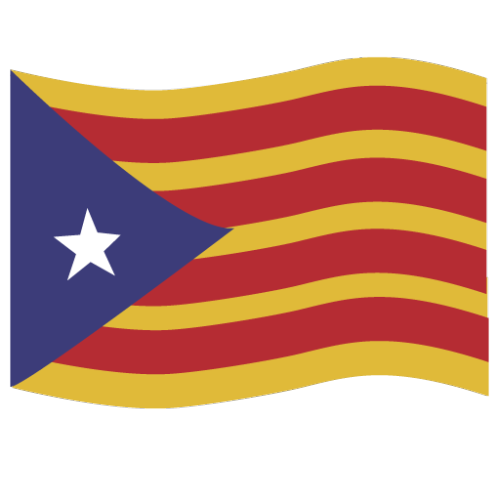
El Consell de la República ha desplegat l'estelada més gran del món al pas del Tour de França per Balenyà, a Osona, amb l'objectiu de mostrar als milions d'espectadors de la competició "la identitat nacional de Catalunya i la voluntat del poble catal…


🥰

sara
in reply to Joan Barrera • • •